
A Practical State-by-State Guide to Homeschool Funding Programs and ESA Award Amounts
Homeschool funding programs 2026 are available in several states, and yes — some states will effectively “pay you” to homeschool through education savings accounts (ESAs), scholarships, or charter-based programs. The biggest funding programs in 2026 include Utah, West Virginia, Florida, Georgia, and Arizona, with awards ranging from about $2,600 to over $8,000 per student depending on the state and program rules.
Here’s the quick snapshot of what parents usually want to know right away: Utah’s program can be as high as $8,000, Florida varies by county and can reach nearly $12,000, and Arizona’s ESA is one of the most established (with many awards in the $7,000–$8,000 range). Smaller programs like Alaska’s allotment help cover materials, and other states offer partial support through tax credits, charter programs, or special-needs scholarships.
A Complete Guide to Homeschool Funding Programs, ESA Award Amounts, and Eligibility by State
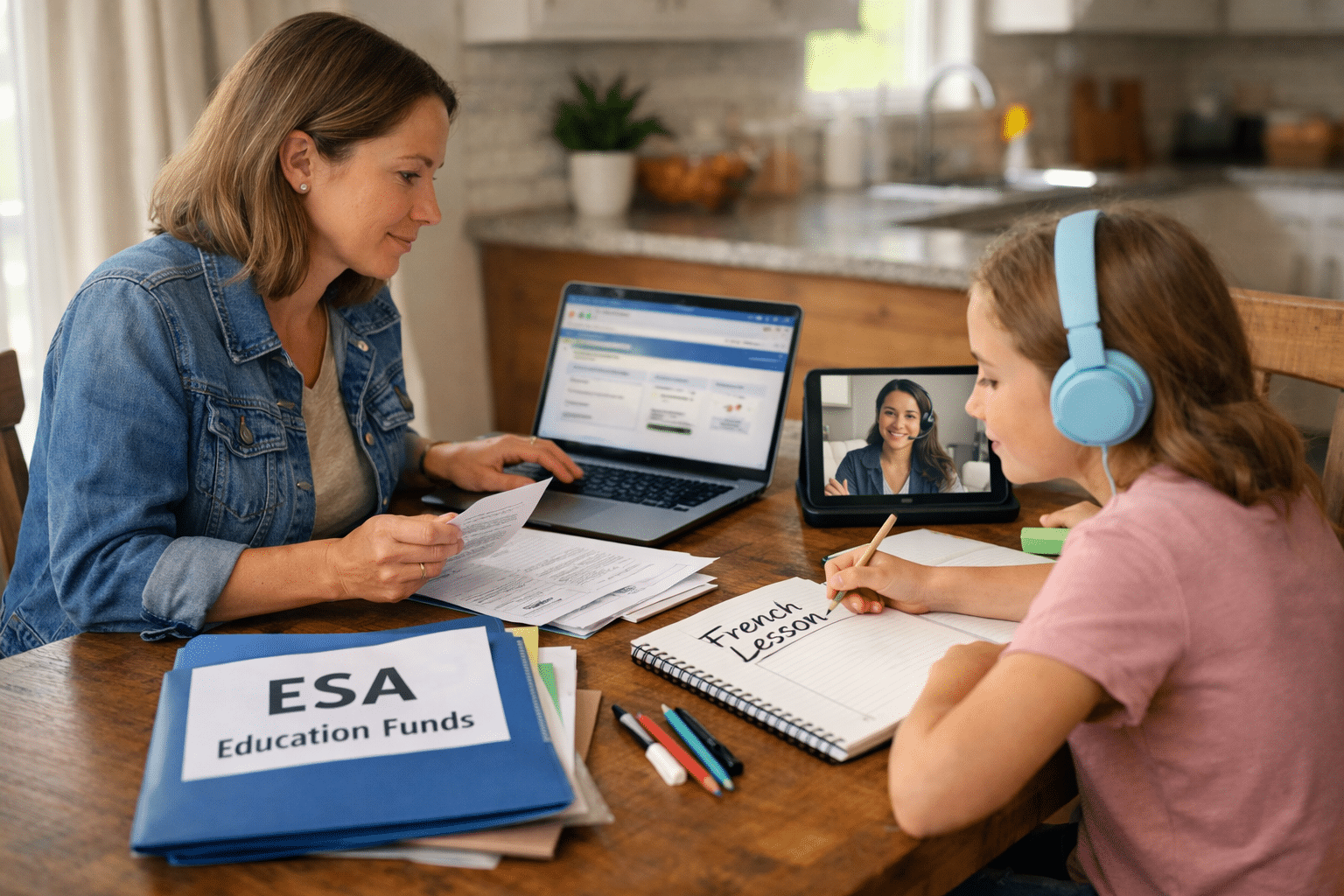
Homeschool funding programs are publicly funded accounts that parents control. They work like vouchers: a state deposits a portion of per-pupil funding into an education savings account, and parents use that money for approved expenses such as private school tuition, online courses, textbooks, tutoring, or therapy.
Most programs require students to withdraw from public school to participate, and funds are distributed quarterly or annually. Because the money comes from state budgets, award amounts and eligibility rules vary by location and may change each year.
States Offering Funding for Homeschooling (2025–26)
The table below summarizes major programs available for the 2025–26 school year. Amounts and rules can change, so always confirm details on the official program website before applying.
| State & program | Approx. award per student | Notes |
|---|---|---|
| Utah – Utah’s Fits All Scholarship | Up to US$8,000 per student (2024–25); amounts may change for groups in 2025–26 | Requires withdrawal from public school and application through Odyssey; funds can be used for private school tuition, curriculum, and other educational expenses. |
| West Virginia – West Virginia Hope Scholarship | US$5,267.38 (2025–26); projected US$5,435.62 (2026–27) | Funds equal the state’s per-pupil allocation. Applications open March 1 and close June 15 for full funding. |
| Florida – Florida Personalized Education Program (PEP) | Varies by district: about US$7,613–$11,950 (2025–26) | Families must terminate county-based home education and enroll as PEP students. Awards are paid quarterly via MyScholarShop or reimbursement. See award chart: PEP award amounts PDF. |
| Georgia – Georgia Promise Scholarship | Up to US$6,500 per student; up to 5% may be withheld for administration | New program beginning in 2025; funds may be used for private school tuition, tutoring, curriculum, therapy services, and transportation. |
| Arkansas – Arkansas Education Freedom Account | Anticipated average of ≈US$6,856 in 2025 (final amount pending) | Universal eligibility in 2025; award may be reduced if demand exceeds appropriations. |
| Wyoming – Wyoming Steamboat Legacy ESA | US$7,000 per student annually | Program was set to begin in 2025–26 but has been temporarily blocked by a court injunction. |
| Alaska – Alaska public correspondence allotment | US$2,600 (K–8) and US$2,700 (Grades 9–12) | Families enroll in a district correspondence school; funds cover curriculum and approved materials. |
Several other states offer more modest tax credits or ESAs — such as Indiana (≈US$2,700), Louisiana (≈US$6,000 tax credit), Oklahoma (US$1,000 credit for homeschoolers), and New Hampshire (≈US$5,200). Because these programs change frequently, verify details with your state education department.
Other States with Homeschool Support or Resources
Even if your state isn’t listed above, you may still find programs that reduce homeschooling costs. Many states operate charter schools, tax-credit scholarships, or special-needs funds that provide partial support:
- Florida: Beyond the PEP scholarship, Florida holds a Back-to-School Sales Tax Holiday (August 1–31, 2025), eliminating sales tax on school supplies up to $50 and learning aids up to $30. Some counties also offer charter-school programs that provide materials and funds.
- Texas: A state Education Savings Account (ESA) launches in fall 2026. Private-school participants will receive around US$10,500, but homeschoolers are capped at US$2,000. Texas Education Savings Account launching in 2026.
- California: Although there is no state-funded ESA, public charter independent-study programs allocate roughly US$2,200–$3,800 per student per year for curriculum, materials, and field trips. California charter independent study programs. Families must meet regularly with credentialed teachers and follow state-approved learning plans.
- North Carolina: The North Carolina Opportunity Scholarship provides US$3,000–$7,000 for private-school tuition. The North Carolina ESA+ program offers a base US$9,000 and up to US$17,000 for students with disabilities, and funds may be used for homeschool tutoring, therapy, and curricula.
- Ohio: The EdChoice Scholarship ($5,500–$8,400) is limited to private school, but the Jon Peterson Special Needs Scholarship provides up to US$27,000 for services such as tutoring and therapy for homeschoolers.
- Arizona: The Arizona Empowerment Scholarship Account (ESA) program is a well-established ESA. In 2024–25 the average award was US$9,572, and two-thirds of scholarships ranged between US$7,000 and US$8,000.
- Georgia: As covered above, the Georgia Promise Scholarship pays up to US$6,500 for nonpublic education.
- Pennsylvania: The Pennsylvania Educational Improvement Tax Credit (EITC) program provides scholarships for private schools; the average award was US$2,613 in 2022–23. A proposed Child Learning Investment Tax Credit would offer US$8,000 per child for nonpublic education, including curricula, but it had not been enacted as of early 2026.
- Missouri: The MOScholars program uses tax-credit scholarships to provide an average of about US$6,375 per student. Eligibility is limited to students with individualized education plans or from low-income families, and funds can be used for private-school tuition, curriculum, tutoring, and therapy.
- Michigan: Michigan does not provide direct state funding for nonpublic schools. There is no state ESA; families pay all costs. They can, however, use federal Coverdell ESA accounts (up to US$2,000 per child) or 529 plans to save for educational expenses.
These programs vary widely in amount and eligibility. Families should check local school districts and state education departments for the latest offerings.
Eligibility and How to Apply
Eligibility varies by state. Most programs require students to be state residents and withdraw from public school (or never enroll).
For example, West Virginia’s Hope Scholarship accepts new applicants from March 1 to June 15; applying after June 15 can result in prorated funding. Utah’s Fits All scholarship is open to K–12 students not enrolled in public school, and families apply through the Odyssey platform. Georgia’s Promise Scholarship requires students to have attended public school for two consecutive semesters or be rising kindergartners; application windows open in March and May.
Always review the program handbook for documentation requirements, testing obligations, and deadlines.
Tips for Using ESA Funds Wisely
- Plan your budget early. Estimate your yearly curriculum and extracurricular costs so your ESA covers essentials. Many families combine ESA funding with free resources (library books, open-source curricula) to stretch funds.
- Read the approved expense list. Program administrators publish detailed lists of eligible services. For example, Georgia’s program allows private school tuition, tutoring services, curriculum, and therapy, while Florida’s PEP program has spending rules (including a US$299 theme-park cap).
- Keep receipts and records. Most ESAs require proof of purchase and periodic audits; disorganized receipts can delay reimbursements.
- Consider the opportunity cost. Accepting an ESA may affect access to other public-school resources (like sports teams), so weigh the trade-offs before unenrolling.
By understanding the funding landscape and preparing your application early, you can take full advantage of homeschool funding programs 2026 and make homeschooling more affordable.